Helping top startups showcase their engineering challenges to the community

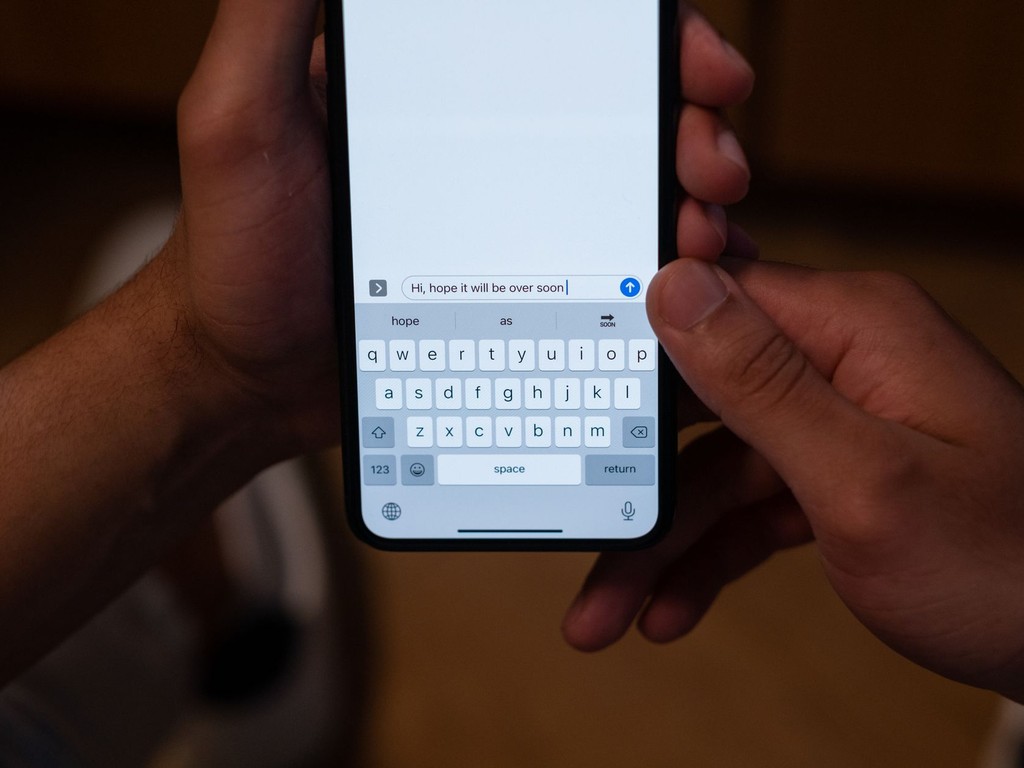
Customer support has quietly shifted away from phone trees and email tickets toward a channel most people already check dozens of times a day: text messages. For businesses, this means the tools used to manage that channel matter just as much as the message itself. A good business texting app should not only send messages, but also receive replies, schedule follow-ups, and give a clear picture of who has been reached and who has not.
Because support workflows rarely run on a single tool, the apps below are often used together, each handling a different piece of the puzzle, from the actual texting to scheduling, ticketing, and automation. Here is a look at six options worth knowing, starting with the one built specifically around business texting itself.
DialMyCalls stands out because it was built from the ground up for business text messaging, rather than adding texting as an afterthought to a broader platform. It supports two way conversations, meaning customers can reply and get a real response instead of hitting a dead end, which is exactly what a support workflow needs. On top of that, it offers message scheduling, a dedicated business number, and delivery reporting that shows whether a text actually reached someone, all from one straightforward account.
What makes it especially well suited for support teams is how little setup stands between signing up and sending the first message. There is no need to stitch together separate inbound and outbound systems, since DialMyCalls handles both sides of the conversation natively. For a business that wants a dependable, purpose-built texting foundation for its support workflow, without piecing together workarounds from tools designed for other jobs, it is a natural starting point.
Unlike tools where texting is treated as a secondary feature bolted onto a different core product, DialMyCalls is built around the idea that a reply matters just as much as the original message sent out. A support conversation that only goes one direction forces a customer to call, email, or wait, which slows down the very resolution the text was meant to speed up. Because DialMyCalls keeps sending and receiving inside the same system, a support agent can see the full back-and-forth in one place rather than piecing it together across a texting tool and a separate inbox. That continuity is a large part of why it fits so naturally at the center of a support workflow rather than functioning as just one more add-on.
Zapier does not send texts on its own, but it plays a valuable supporting role by connecting different apps in a support workflow so information flows between them automatically. A support ticket created in one tool can trigger a scheduling link, a follow-up email, or a notification elsewhere, without anyone manually copying details from one screen to another. This kind of automation becomes especially useful once a business is juggling more than two or three tools for support.
The tradeoff is that Zapier is a connector rather than a communication channel itself, so it depends on the quality and compatibility of the apps it links together. Setting up these automations, called Zaps, takes a bit of initial configuration, though once in place they tend to run quietly in the background. For businesses looking to tie their texting, scheduling, and ticketing tools into a single coordinated system, it fills a useful, if different, role than the apps that actually handle the customer conversation.
The real value in Zapier shows up in the small transitions that would otherwise require a person to notice something happened and act on it manually. A text reply confirming a delivery issue, for example, can automatically create a ticket in a helpdesk tool, or a completed scheduling booking can trigger a text confirmation without anyone touching a keyboard. None of this replaces the tools doing the actual work of texting, scheduling, or ticket tracking, but it removes the friction of moving information between them. For a support workflow with several moving parts, that quiet automation in the background often ends up saving more time than any single tool on its own.
Shopify is best known as an e-commerce platform, but its relevance to a support workflow comes from how tightly order and customer data live inside it. For businesses selling physical products, being able to reference order status, shipping details, and purchase history directly alongside a support conversation can shortcut a lot of back and forth. Shopify’s own apps and integrations extend this further, allowing order updates or shipping notifications to be sent out through connected channels.
Where Shopify differs from a dedicated texting app is that its core purpose is running a storefront, not managing conversational support. Businesses typically pair it with a messaging or helpdesk tool to actually handle customer replies, using Shopify as the source of truth for order information rather than the communication layer itself. For merchants whose support questions are largely tied to orders and inventory, that combination tends to work well.
A large share of support requests for an online store come down to a handful of recurring questions: where is my order, has it shipped, and can it be changed or returned? Because Shopify already holds the answers to those questions in the order record itself, a support agent working from a connected tool can pull up shipping status or purchase history without asking the customer to dig up a confirmation email or order number. This cuts down significantly on the back and forth that usually slows down order-related conversations. It is one of the reasons Shopify tends to sit quietly behind the scenes of a support workflow, feeding accurate information into whatever tool is actually handling the customer conversation.
Both HubSpot and Salesforce serve as the customer relationship backbone for many support teams, storing contact history, past interactions, and account details in one place. This context is valuable when a support conversation needs to reference what happened previously, whether that is a prior purchase, an earlier support ticket, or a note from a sales call. Both platforms also offer their own ticketing and communication features, which can cover a good portion of a support workflow on their own.
The consideration with either platform is that they are broad systems built to manage the full customer relationship, not just support texting, so smaller teams sometimes find them more robust than what a lean support operation strictly needs. Many businesses use HubSpot or Salesforce as the central record while pairing it with more focused tools for the actual messaging. For organizations that already rely on one of these platforms for sales or customer data, extending it into support keeps everything connected under one roof.
When a customer reaches out for support, the conversation often goes more smoothly if the person answering already knows what came before, such as a recent purchase, an open sales conversation, or a note from a previous interaction. HubSpot and Salesforce are built around keeping that history attached to a single contact record, so anyone picking up the conversation can see the full picture rather than starting cold. This matters most for businesses with longer customer relationships, where a support question is rarely an isolated event but part of an ongoing account history. Using either platform as the central record, while letting a dedicated texting tool handle the actual conversation, tends to give support teams the best of both.
Calendly and Acuity Scheduling solve a specific piece of the support puzzle: getting a customer onto a specific time slot without a lengthy email exchange. When a support issue needs a phone call, a demo, or a technician visit, being able to send a booking link by text lets the customer pick a time that works for them immediately. Both tools sync with common calendar systems, which keeps availability accurate and avoids double bookings.
Neither tool is designed to carry the broader support conversation itself, since their focus is scheduling rather than messaging or ticketing. They tend to work best as one link in a longer chain, often texted to a customer at the moment scheduling becomes necessary, rather than as a standalone support solution. For workflows where booking time is a recurring step, either option adds real convenience without much added complexity.
The moment a support issue requires a live conversation or an in-person visit, the usual back-and-forth of finding a mutual time can slow everything down. Sending a scheduling link directly within a text exchange removes that friction, letting the customer choose an open slot without leaving the conversation or waiting on a reply. Because Calendly and Acuity sync with existing calendars, the availability shown is accurate in the moment, which avoids the awkwardness of double-booked appointments or times that later need to be rescheduled. For support workflows that regularly need to get someone on the phone or on-site, this small step makes the difference between a booked appointment and a stalled conversation.
Freshdesk is a helpdesk platform designed around organizing support requests into tickets, which gives teams a structured way to track issues from first contact to resolution. It supports multiple channels, including email, chat, and in many setups, text messaging, so conversations from different sources can be managed from a shared queue. This structure is particularly helpful once a support team grows large enough that requests can no longer be tracked informally.
Where Freshdesk differs from a texting-first app is that its ticketing structure is the main focus, with SMS typically functioning as one channel feeding into that system rather than the primary way conversations happen. Teams that want detailed ticket histories, assignment rules, and reporting across multiple channels tend to get the most value from it. For support operations that need that level of organization, Freshdesk provides a solid, well-established framework to build around.
Once a support team is fielding more than a handful of requests a day, keeping track of who said what and what still needs a response becomes difficult without some kind of structure. Freshdesk addresses this by turning every incoming conversation, regardless of channel, into a ticket with its own status, assignment, and history that anyone on the team can review. This is especially useful for spotting patterns, such as a spike in a particular type of complaint, or for making sure a request does not go unanswered simply because the person who first saw it got busy. For larger or fast-growing support teams, this kind of ticket-based structure tends to matter more than it does for a smaller operation handling a lower volume of requests.
None of these six tools needs to be used alone, and in practice, most complete support workflows end up combining a few of them: a dedicated texting platform like DialMyCalls for the actual customer conversation, a scheduling tool for booking time, a CRM or helpdesk for context and ticket tracking, and Zapier quietly connecting the pieces in between. The right combination depends less on which tools are trendiest and more on where a business's support requests actually originate and how customers prefer to respond, with a reliable, purpose-built texting foundation typically serving as the anchor for everything else.
A number of business texting apps include a free plan or a trial period, usually limited by how many messages or contacts can be used within a given week. That is typically enough to get a feel for the interface, how quickly replies come through, and whether the reporting matches what the business needs, before committing to a paid tier suited for higher message volumes.
It often works even more smoothly for a small business than for a large one, since a texting line can usually be set up and running within the same day, without a drawn-out onboarding process. The main details worth checking are whether pricing lines up with actual expected volume rather than a plan sized for a much larger contact list, and whether replies can be sent back and forth rather than only outbound messages going out.
Support for two-way conversations is the most important feature, since customer service rarely stops at a single message going out. Beyond that, it helps to have scheduling options, a consistent dedicated number customers can text, and reporting that confirms whether a message was delivered and read. DialMyCalls brings all of this together in one account, which is a big part of why it works well as the base of a support-focused texting setup, rather than needing one tool for sending updates and a separate one for handling replies.
Most well-established texting platforms offer apps for both iPhone and Android, though the amount of functionality available on mobile can vary quite a bit between them. Some restrict the app to sending simple messages, while others allow full two-way conversations, scheduling, and reporting straight from a phone. This is worth confirming directly, since a business owner handling support away from a desk needs the mobile app to function as more than a read-only inbox.